Help! What Do I Do If My Dog is Constipated?
Constipation in dogs is a common issue, but it can be uncomfortable and sometimes serious if not addressed properly. If your dog is struggling to pass stool or hasn’t had a bowel movement in a while, it’s important to understand the signs, causes, and what you can safely do to help.
Signs Your Dog May Be Constipated
Constipation isn’t always obvious at first, but there are a few clear signs to watch for:
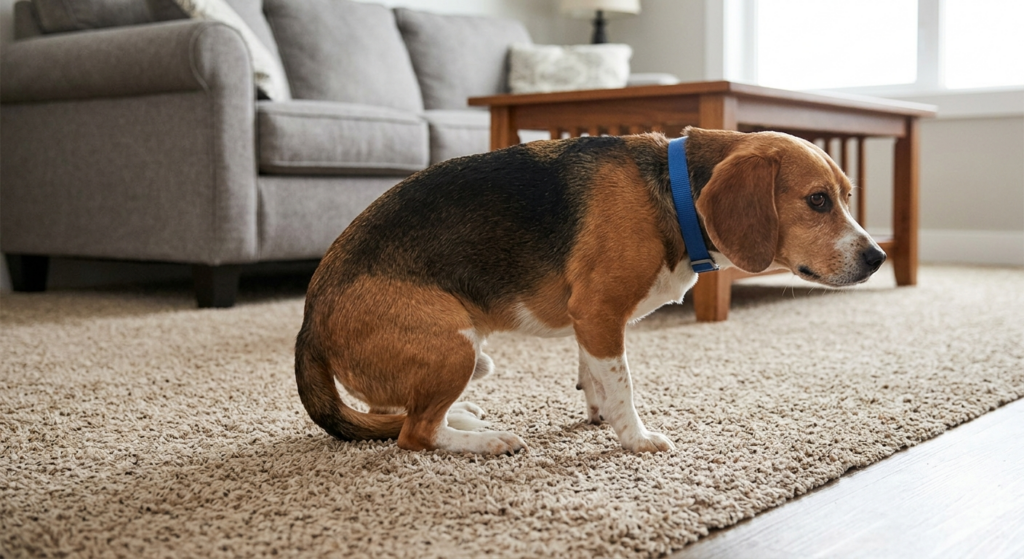
- Straining or taking a long time to defecate
- Producing small, hard, dry stools
- Crying or showing discomfort while trying to poop
- Reduced appetite
- Lethargy or low energy
- Occasional vomiting in more severe cases
If your dog hasn’t had a bowel movement for more than 48 hours, it’s a sign that something may be wrong.
Common Causes of Constipation in Dogs
Several factors can lead to constipation, including:
- Dehydration (not drinking enough water)
- Lack of fiber in the diet
- Eating indigestible materials like hair, bones, or grass
- Lack of exercise
- Obesity
- Side effects of certain medications
- Underlying health conditions such as Megacolon in dogs
What You Can Do at Home
If your dog’s constipation is mild and they are otherwise acting normal, you can try a few safe remedies:
Increase Water Intake
Make sure your dog has constant access to fresh, clean water. Proper hydration helps soften stool and makes it easier to pass.
Add Fiber to Their Diet
Small amounts of fiber can help regulate digestion. Adding plain canned pumpkin (not spiced) or a vet-approved fiber supplement may help.
Encourage Exercise
Regular walks and physical activity can stimulate bowel movements and improve digestion.
Try Moist Food
Switching temporarily to wet dog food can increase moisture intake and ease constipation.
What You Should NOT Do
- Do not give human laxatives or medications without veterinary guidance
- Avoid forcing your dog to eat or drink
- Don’t ignore symptoms if they persist or worsen
When to See a Veterinarian
You should seek veterinary care if:
- Constipation lasts more than 48 hours
- Your dog is in pain or distress
- There is blood in the stool
- Your dog is vomiting or refuses to eat
- You suspect a blockage or serious condition
In some cases, untreated constipation can lead to complications like Obstipation, which requires medical intervention.
Prevention Tips
- Provide a balanced, high-quality diet
- Ensure regular exercise
- Keep your dog well-hydrated
- Groom regularly to reduce hair ingestion
- Schedule routine veterinary check-ups
Final Thoughts
Constipation in dogs is often manageable with simple changes like better hydration, diet adjustments, and exercise. However, it’s important to monitor your dog closely and act quickly if symptoms persist or worsen. When in doubt, a veterinarian’s advice is always the safest way to ensure your dog stays healthy and comfortable.