How Do I Know If My Dog Has Hurt His Back?
A back injury in dogs can range from mild muscle strain to serious spinal issues, so it’s important to recognize the signs early and act appropriately. Here’s how you can tell if your dog may have hurt his back, along with what to do next.
Common Signs Your Dog May Have a Back Injury
1. Changes in Movement or Posture
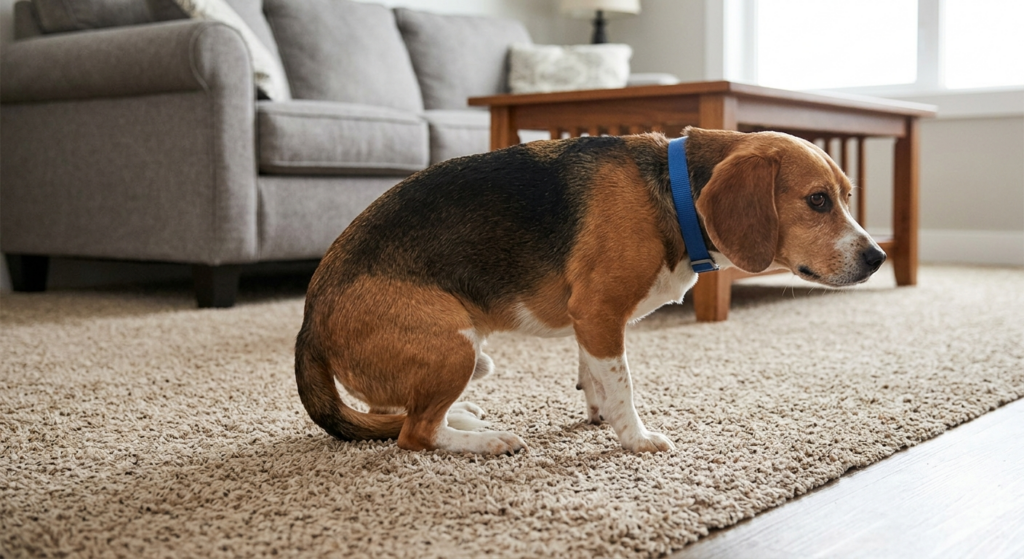
One of the earliest indicators is a change in how your dog moves. You might notice stiffness, reluctance to walk, or difficulty jumping onto furniture or climbing stairs. Some dogs may arch their back or hold their head low to avoid discomfort.
2. Pain or Sensitivity
If your dog whines, yelps, or flinches when you touch their back or pick them up, it could be a sign of pain. They may also become unusually aggressive or withdrawn when handled.
3. Decreased Activity
Dogs with back pain often become less active. If your usually energetic dog suddenly seems lethargic or unwilling to play, this could be a red flag.
4. Difficulty Standing or Lying Down
Struggling to get up, lying down very slowly, or avoiding certain positions can indicate discomfort in the back or spine.
5. Limping or Dragging Limbs
In more serious cases, especially those involving the spine, your dog may limp, drag their hind legs, or show signs of weakness in the rear limbs.
6. Loss of Coordination
A wobbly gait or difficulty maintaining balance may suggest nerve involvement, which requires immediate veterinary attention.
7. Changes in Bathroom Habits
Loss of bladder or bowel control can be a serious symptom of spinal injury and should be treated as an emergency.
Common Causes of Back Injuries in Dogs
- Jumping from heights (beds, couches, vehicles)
- Rough play or sudden movements
- Slips and falls
- Obesity (puts extra strain on the spine)
- Conditions like Intervertebral Disc Disease, especially in breeds like Dachshunds
What You Should Do
1. Restrict Movement
Limit your dog’s activity immediately. Avoid walks, jumping, or rough play until you understand the severity of the issue.
2. Avoid Self-Treatment
Do not give human pain medications like Ibuprofen or Paracetamol, as these can be harmful to dogs.
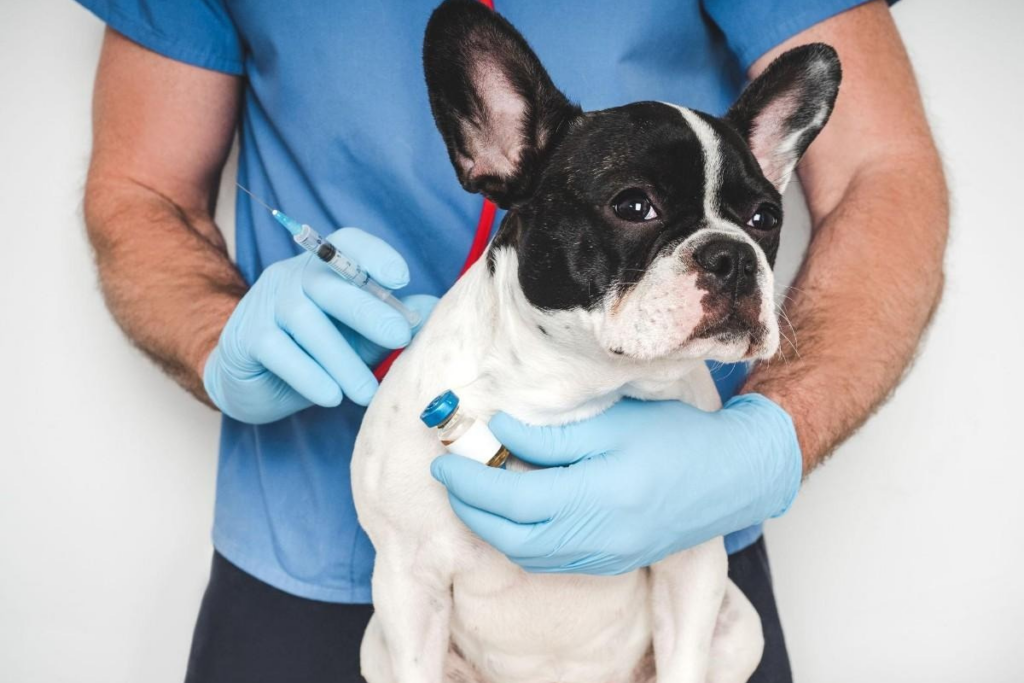
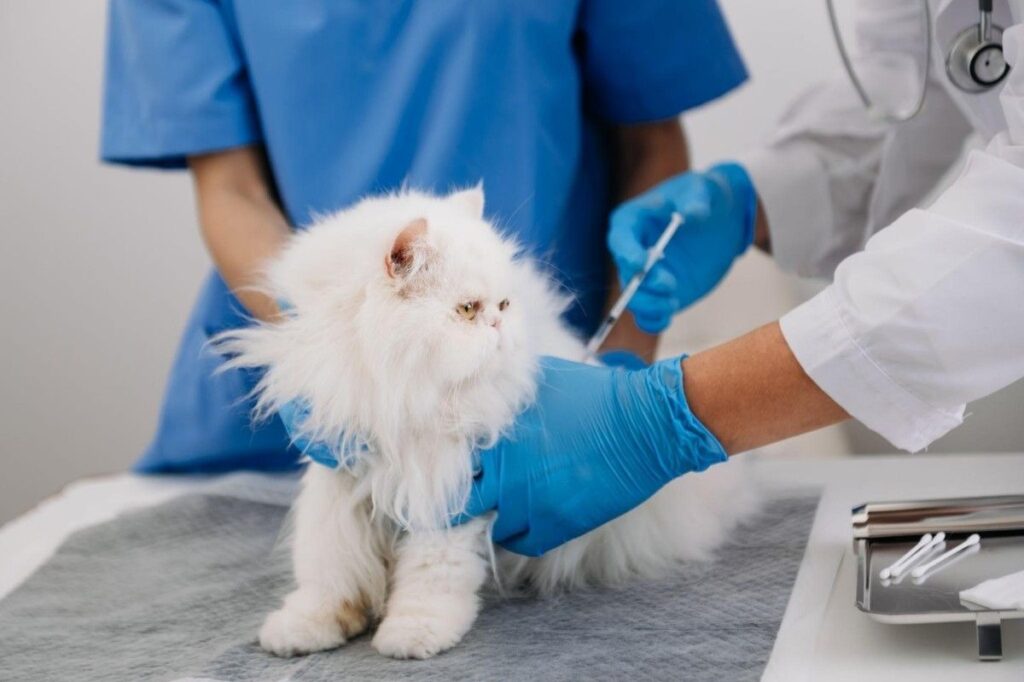
3. Visit a Veterinarian
If symptoms persist for more than 24 hours, or if they worsen, consult a veterinarian. Severe symptoms like paralysis or loss of bladder control require immediate emergency care.
4. Follow Professional Advice
Treatment may include rest, anti-inflammatory medications, physical therapy, or in severe cases, surgery.
Prevention Tips
- Use ramps or steps to reduce jumping
- Maintain a healthy weight
- Provide regular, moderate exercise
- Avoid rough handling or excessive strain
Final Thoughts
Back injuries in dogs can be subtle at first but may become serious if ignored. Paying attention to small behavioral or physical changes can make a big difference in early diagnosis and recovery. When in doubt, it’s always safest to consult a veterinarian and ensure your dog gets the care they need.
.