Why Do Dogs Lick Their Paws?
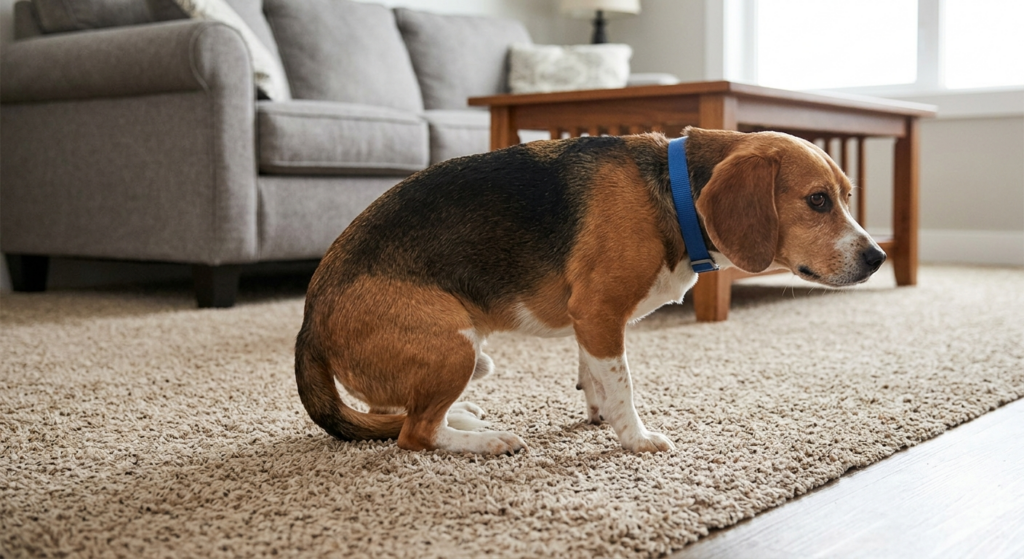
If you’ve ever noticed your dog repeatedly licking their paws, you’re not alone. This is one of the most common behaviors dog owners observe—and it can range from completely normal grooming to a sign of an underlying problem.
Understanding why your dog is licking their paws is important because the cause determines whether it’s harmless or something that needs attention.
1. Normal Grooming Behavior
Dogs naturally clean themselves by licking. Just like cats, they use their tongue to remove dirt, debris, or anything stuck between their paw pads.
Occasional paw licking after a walk is usually normal, especially if your dog has been outside on grass, dirt, or sand.
2. Allergies
One of the most common reasons for excessive paw licking is allergies.
Dogs can be allergic to:
- Pollen
- Dust mites
- Mold
- Certain foods
- Cleaning products or lawn chemicals
When allergens irritate the skin, dogs often lick their paws to soothe the itching. You may also notice:
- Red or inflamed paws
- Chewing or biting at feet
- Ear infections
3. Irritation or Injury
Something as simple as a small cut, thorn, or pebble can cause discomfort.
Signs include:
- Focusing on one paw only
- Limping or sensitivity when touched
- Swelling or redness
Dogs lick the area to try to clean or relieve pain.
4. Dry or Cracked Paws
Hot pavement, cold weather, or dry air can cause paw pads to become dry or cracked.
Licking is a dog’s natural response to soothe the discomfort, but excessive licking can actually make it worse.
5. Parasites
Fleas, ticks, or mites can cause intense itching.
If parasites are the cause, you might notice:
- Constant licking or chewing
- Hair loss around paws
- Skin irritation or scabs
6. Anxiety or Stress
Dogs sometimes lick their paws as a self-soothing behavior, similar to how humans bite nails.
Common stress triggers include:
- Separation anxiety
- Boredom
- Changes in routine or environment
If licking becomes repetitive and obsessive, it may be linked to emotional stress.
7. Pain or Arthritis
In older dogs, paw licking can sometimes be related to joint pain or arthritis. Dogs may lick the area that feels sore as a way to cope with discomfort.
When Should You Be Concerned?
Occasional licking is normal, but you should pay attention if:
- Licking is constant or obsessive
- Paws look red, swollen, or infected
- Your dog is limping
- Hair loss appears on the paws
- The behavior is getting worse over time
What You Can Do
Depending on the cause, helpful steps may include:
- Cleaning paws after walks
- Using vet-approved allergy treatments
- Checking for cuts or foreign objects
- Providing more exercise and mental stimulation
- Visiting a vet for persistent symptoms
Final Thoughts
Paw licking can be harmless grooming—or a sign of discomfort, allergies, or stress. The key is to look at the frequency and any changes in your dog’s behavior or skin condition.
If the licking becomes persistent, it’s always best to have a veterinarian check for the underlying cause so your dog can get proper relief.