Why Is My Dog Shaking?
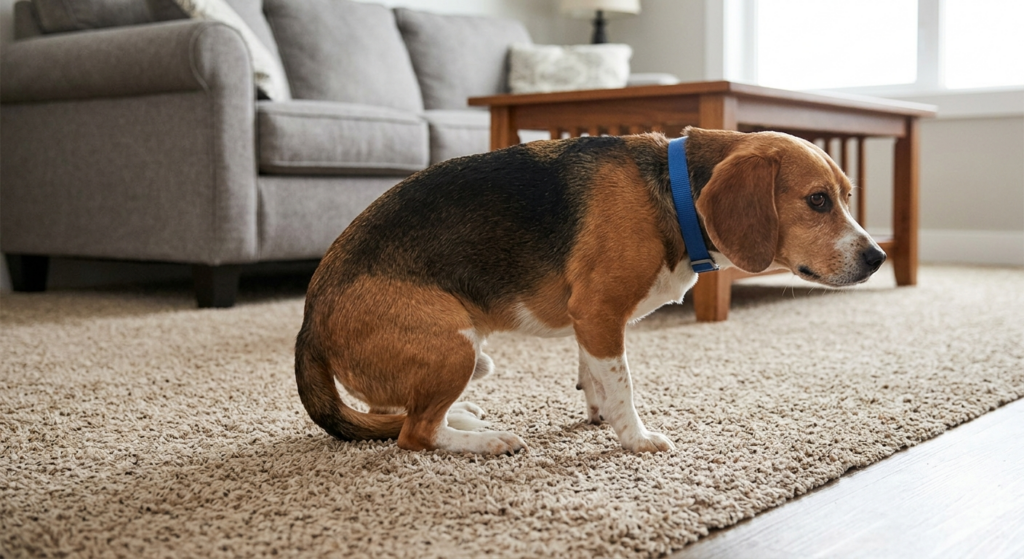
If your dog is shaking or trembling, it can be concerning—especially if it starts suddenly or happens often. While shaking can sometimes be harmless, it can also signal pain, illness, or emotional distress.
Understanding the possible causes can help you decide when it’s nothing to worry about and when it’s time to see a veterinarian.
Common Reasons Dogs Shake
1. Cold or Temperature Changes
Just like humans, dogs shiver when they’re cold. Small breeds, short-haired dogs, and puppies are especially sensitive to low temperatures.
What to look for:
- Shivering in cold environments
- Curling up or seeking warmth
2. Anxiety or Fear
Dogs often shake when they’re scared or stressed.
Common triggers include:
- Loud noises (like thunderstorms or fireworks)
- Car rides
- Separation anxiety
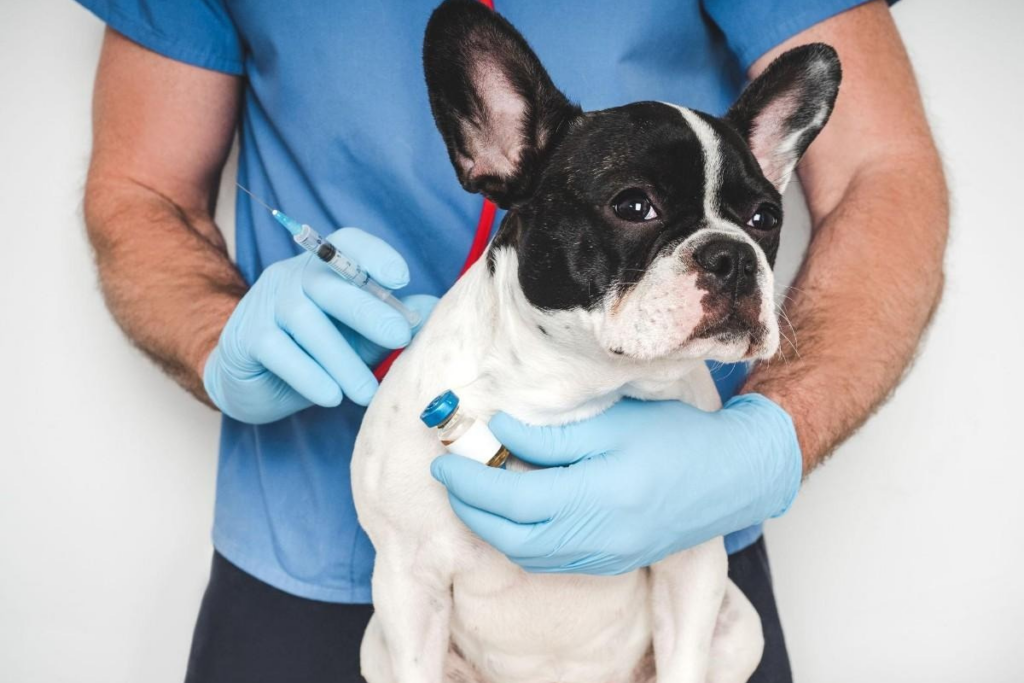
- Vet visits
You may also notice:
- Panting
- Hiding
- Whining or pacing
3. Excitement
Some dogs shake when they’re overly excited—like when you come home or when they’re about to go for a walk.
This type of shaking is usually brief and stops once they calm down.
4. Pain or Injury
Shaking can be a sign your dog is in pain, even if there are no obvious injuries.
Watch for:
- Limping
- Reluctance to move
- Whining or sensitivity to touch
5. Nausea or Digestive Issues
Dogs may tremble when they feel sick to their stomach.
Other signs include:
- Drooling
- Vomiting
- Loss of appetite
6. Poisoning or Toxin Exposure
Ingesting toxic substances (like chocolate, certain plants, or chemicals) can cause shaking or tremors.
This is a medical emergency and may include:
- Vomiting
- Seizures
- Weakness
7. Illness or Medical Conditions
Shaking can be linked to several health problems, such as:
- Distemper – A serious viral infection causing tremors and neurological symptoms
- Generalized Tremor Syndrome – Causes full-body shaking, often in small white dogs
- Hypoglycemia – Common in puppies or small breeds
- Kidney disease or other metabolic issues
8. Old Age
Senior dogs may develop tremors due to muscle weakness or neurological changes.
This is often gradual and may not be harmful, but it should still be evaluated by a vet.
When Should You Be Concerned?
Occasional shaking isn’t always serious, but you should contact a veterinarian if:
- Shaking starts suddenly without an obvious reason
- It is persistent or worsening
- Your dog also has vomiting, diarrhea, or lethargy
- There are signs of pain or injury
- Your dog may have ingested something toxic
What You Can Do
Depending on the cause, you can:
- Keep your dog warm
- Reduce stress triggers
- Provide a calm, quiet environment
- Ensure proper nutrition and hydration
- Schedule a veterinary checkup for ongoing symptoms
Final Thoughts
Shaking in dogs can range from harmless excitement to a sign of a serious health issue. The key is to observe your dog’s behavior, environment, and any additional symptoms.
If something feels off or the shaking doesn’t go away, it’s always best to have your veterinarian take a closer look. Early attention can make a big difference in your dog’s health and comfort.