
How to Tell If Your Dog Is Dehydrated
Water is essential for every part of your dog’s body. From regulating body temperature to supporting healthy organs and digestion, proper hydration helps keep your pet active and healthy. Even mild dehydration can affect your dog’s energy levels, while severe dehydration can quickly become a life-threatening emergency if left untreated.
Knowing the early warning signs allows you to take action before the condition becomes serious. In this Article, we’ll explain the common causes of dehydration in dogs, the symptoms to watch for, how to check your dog at home, and when it’s time to seek veterinary care.
What Is Dehydration in Dogs?
Dehydration occurs when a dog loses more fluids than they take in. Along with water, dogs also lose important electrolytes such as sodium, potassium, and chloride. These minerals help muscles, nerves, and organs function properly.
Without enough fluids, the body cannot perform its normal functions efficiently, putting stress on the heart, kidneys, and other vital organs.
What Causes Dehydration in Dogs?
Several conditions can lead to dehydration, including:
1. Hot Weather
Dogs can lose significant amounts of water through panting, especially during warm summer months.
2. Excessive Exercise
Running, hiking, or playing for extended periods without water breaks can quickly lead to dehydration.
3. Vomiting or Diarrhea
Gastrointestinal illnesses cause rapid fluid loss and are among the most common reasons dogs become dehydrated.
4. Fever or Infection
Illness often increases your dog’s fluid requirements while reducing their desire to drink.
5. Kidney Disease
Dogs with kidney disease may lose more fluids than healthy dogs and require careful hydration management.
6. Heatstroke
Heatstroke is a medical emergency that often causes severe dehydration alongside dangerously high body temperatures.
7. Lack of Access to Fresh Water
Travel, accidents, or simply forgetting to refill the water bowl can lead to dehydration faster than many owners realize.
8 Warning Signs Your Dog May Be Dehydrated
1. Dry or Sticky Gums
Healthy gums should feel moist and smooth. Dry, tacky, or sticky gums are one of the earliest signs of dehydration.
2. Excessive Panting
Panting helps dogs regulate body temperature, but persistent or heavy panting without exercise may indicate dehydration or overheating.
3. Sunken Eyes
Moderate to severe dehydration can cause your dog’s eyes to appear dull or sunken.
4. Loss of Skin Elasticity
A simple skin tent test may help identify dehydration.
Gently lift the skin between your dog’s shoulder blades and release it.
- Healthy dogs: Skin snaps back immediately.
- Dehydrated dogs: Skin returns slowly.
Keep in mind this test is less reliable for senior dogs or certain breeds with loose skin.
5. Lethargy
A dehydrated dog may seem unusually tired, weak, or reluctant to play or go for walks.
6. Loss of Appetite
Dogs that aren’t feeling well often eat less. Combined with reduced water intake, dehydration can worsen quickly.
7. Thick Saliva
Instead of normal watery saliva, dehydrated dogs may drool thick or stringy saliva.
8. Dark Yellow Urine or Reduced Urination
Healthy dogs usually produce pale yellow urine. Dark urine or infrequent urination may suggest dehydration.
How to Check Your Dog for Dehydration at Home
While a veterinary examination is the most accurate way to diagnose dehydration, you can perform a few basic checks.
Check the Gums
Healthy gums are:
- Pink
- Moist
- Smooth
If the gums feel sticky or dry, your dog may need more fluids.
Perform the Skin Tent Test
Lift the skin over the shoulders.
If it doesn’t quickly return to normal, dehydration may be present.
Observe Their Behavior
Watch for:
- Weakness
- Heavy panting
- Reluctance to move
- Sleeping more than usual
Behavioral changes often appear before more severe symptoms develop.
When Is Dehydration an Emergency?
Seek immediate veterinary care if your dog:
- Cannot keep water down due to vomiting
- Has severe diarrhea
- Collapses or struggles to stand
- Has pale gums
- Experiences heatstroke
- Stops urinating
- Appears confused or unresponsive
- Has severe lethargy
These symptoms may indicate significant dehydration or another serious medical condition requiring prompt treatment.
How Veterinarians Treat Dehydration
Treatment depends on the severity of dehydration.
Your veterinarian may recommend:
Oral Fluids
Mild dehydration may only require increased water intake and monitoring.
Subcutaneous Fluids
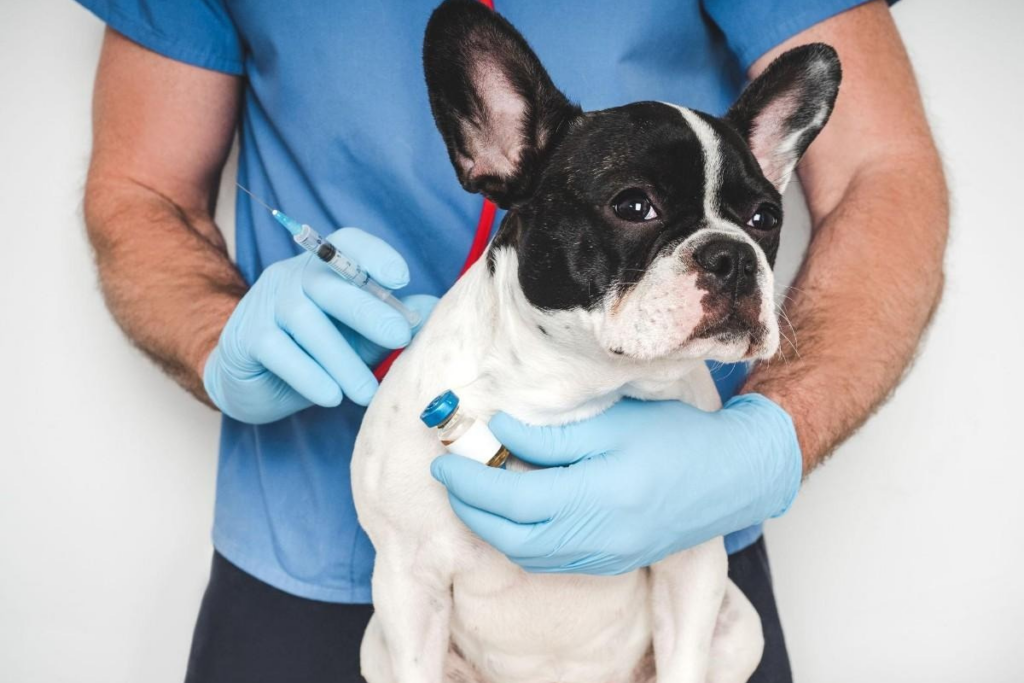
Fluids administered under the skin help moderately dehydrated dogs recover.
Intravenous (IV) Fluids
Severely dehydrated dogs often require hospitalization with IV fluids to restore hydration and electrolyte balance.
Treating the Underlying Cause
Your veterinarian will also address the reason behind the dehydration, such as infection, kidney disease, gastrointestinal illness, or heatstroke.
How to Prevent Dehydration in Dogs
Fortunately, dehydration is often preventable.
Always Provide Fresh Water
Keep multiple clean water bowls available throughout your home.
Bring Water During Walks
Carry a portable water bottle and collapsible bowl during outdoor activities.
Avoid Peak Heat
Exercise early in the morning or later in the evening during hot weather.
Monitor Senior Dogs
Older dogs may become dehydrated more easily and should be monitored closely.
Watch Dogs Recovering From Illness
Dogs with vomiting, diarrhea, or fever should be encouraged to drink frequently and evaluated if symptoms persist.
Schedule Regular Wellness Exams
Routine veterinary visits help identify underlying conditions that could increase your dog’s risk of dehydration.
Can Puppies Become Dehydrated Faster?
Yes. Puppies have smaller bodies and higher metabolic rates than adult dogs, making them more vulnerable to dehydration.
If your puppy has diarrhea, vomiting, refuses water, or seems unusually tired, contact your veterinarian promptly.
Final Thoughts
Dehydration can develop quickly, especially during hot weather or illness. Recognizing the warning signs early can make a significant difference in your dog’s recovery and overall health.
At Oxford Veterinary Clinic, we’re committed to helping pets stay healthy through compassionate, comprehensive care. If you’re concerned that your dog may be dehydrated or experiencing any unusual symptoms, contact our team to schedule an examination. Early treatment can make all the difference.
Frequently Asked Questions
1. How can I tell if my dog is dehydrated?
Common signs include dry gums, excessive panting, lethargy, sunken eyes, loss of skin elasticity, reduced urination, thick saliva, and loss of appetite.
2. Can dehydration become life-threatening for dogs?
Yes. Severe dehydration can lead to organ damage, heatstroke, shock, and even death if not treated promptly.
3. How much water should my dog drink each day?
Most healthy dogs need approximately one ounce of water per pound of body weight each day, although activity level, diet, and weather can affect this amount.
4. Can I treat mild dehydration at home?
If your dog is alert and willing to drink, offering small amounts of fresh water may help. However, if symptoms worsen or your dog is vomiting, lethargic, or refuses water, seek veterinary attention immediately.
5. When should I call my veterinarian?
Contact your veterinarian if your dog shows persistent vomiting, diarrhea, refuses to drink, becomes weak, has pale gums, or displays signs of severe dehydration or heatstroke.


2 Responses