
My Dog Won't Eat! What Do I Do?
If your dog suddenly refuses to eat, it can be worrying. Loss of appetite in dogs (also called inappetence) can happen for many reasons—from minor issues like stress to more serious medical conditions. The key is to look at the full picture: how long it’s been happening, any other symptoms, and your dog’s overall behavior.
How Long Is “Too Long” Without Eating?
A healthy adult dog can safely skip one meal without major concern. However, you should start paying attention if:
- Your dog hasn’t eaten for 24 hours or more
- A puppy refuses food for more than 12 hours
- There are other symptoms like vomiting or lethargy
Puppies, senior dogs, and small breeds should be taken more seriously because they can weaken faster.
Common Reasons Dogs Stop Eating
1. Stress or Anxiety
Dogs are sensitive to changes in routine or environment. Stress can quickly affect appetite.
Common triggers include:
- Moving homes
- New pets or people in the house
- Loud noises or travel
- Separation anxiety
2. Pickiness or Food Fatigue
Sometimes dogs simply get bored of their food, especially if they’ve been eating the same thing for a long time.
Signs:
- Sniffs food but walks away
- Eats treats but refuses meals
3. Dental Problems
Pain in the mouth can make eating uncomfortable or even painful.
Watch for:
- Drooling
- Bad breath
- Chewing on one side
- Dropping food
4. Upset Stomach or Digestive Issues
Dogs often refuse food when they feel nauseous.
Possible causes include:
- Eating something unusual
- Mild infection
- Sudden diet change
You may also notice vomiting or diarrhea.
5. Illness or Infection
Loss of appetite is a common early sign of many illnesses.
This may include:
- Fever or viral infections
- Liver or kidney issues
- Parasites
- Pain from internal conditions
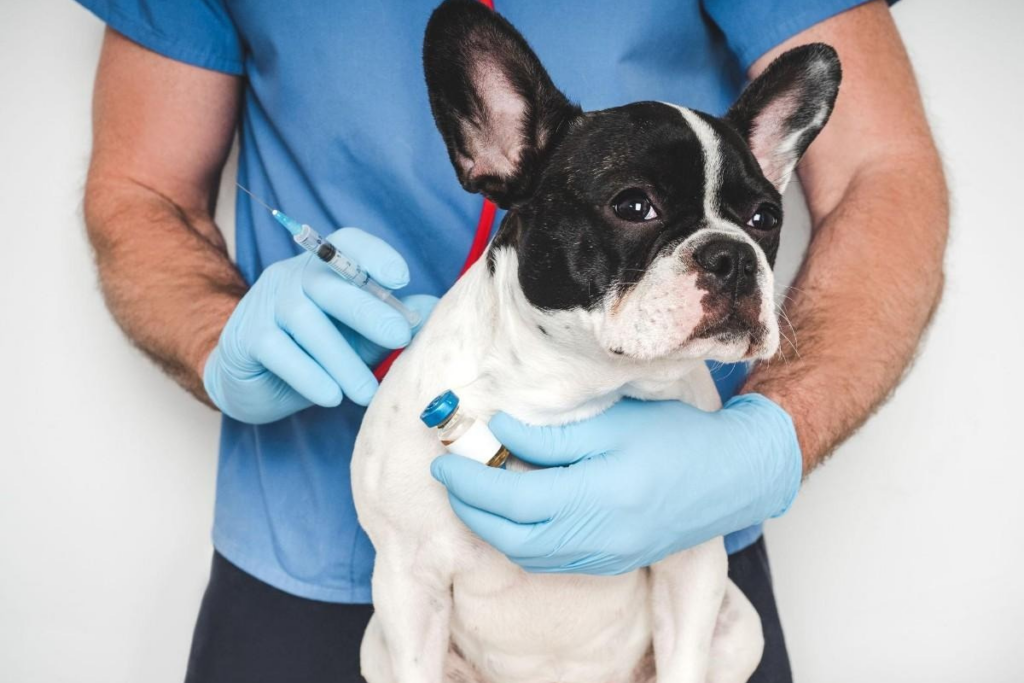
6. Vaccination or Medication Side Effects
Some dogs may temporarily lose appetite after vaccines or starting new medications. This usually resolves within 24–48 hours.
7. Serious Medical Conditions
In some cases, refusing food can be a sign of more serious health problems such as pancreatitis, organ disease, or intestinal issues. These often come with other symptoms like lethargy, vomiting, or abdominal pain.
What You Can Do at Home
If your dog is otherwise acting normal, you can try:
- Offering fresh, warm food (warming can enhance smell)
- Mixing in a small amount of wet food or broth (no onion or garlic)
- Feeding in a quiet, stress-free space
- Offering smaller, more frequent meals
- Taking away uneaten food and trying again later
Avoid forcing your dog to eat.
When to Call a Vet
Seek veterinary advice if:
- Your dog refuses food for more than 24 hours
- There is vomiting, diarrhea, or lethargy
- Your dog seems in pain or uncomfortable
- A puppy or senior dog stops eating
- You suspect ingestion of something toxic
Final Thoughts
A dog skipping a meal isn’t always an emergency, but prolonged loss of appetite should never be ignored. Paying attention to behavior changes and other symptoms can help you understand whether it’s a minor issue or something that needs medical care.
When in doubt, a quick vet check is always the safest option—especially if your dog’s behavior doesn’t return to normal within a day.




One Response